
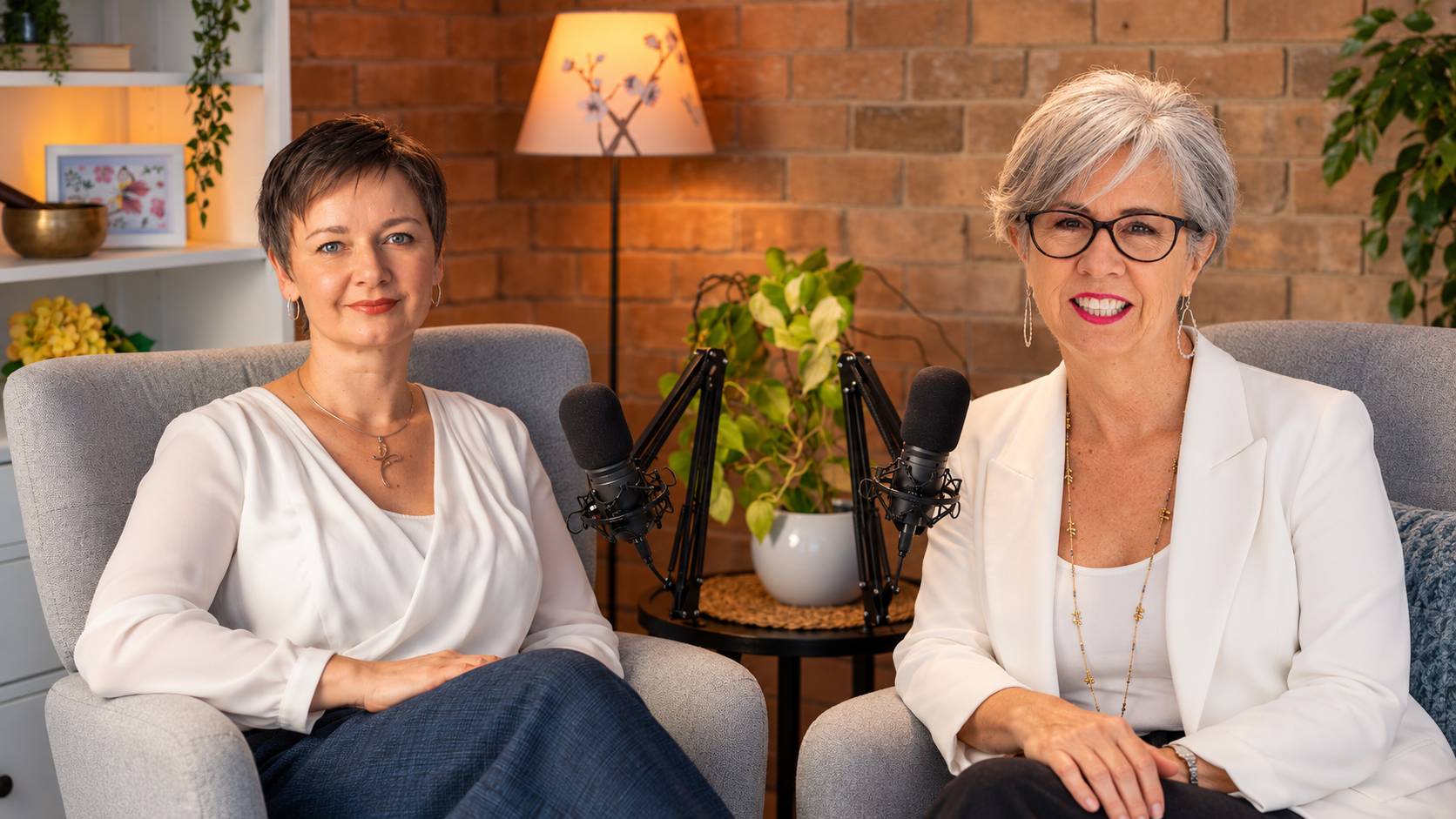
A Quieter Kind of Courage
EPISODE 2
A conversation with Liz Tilley
On the voices we listen to, the wisdom we carry within us, and finding the courage to slow down.
About this conversation
I first met Liz Tilley after I wasn’t selected for a leadership development program at work.
As something of a consolation prize, I was offered a coaching session with Liz.
It turned out to be anything but a consolation prize!
That first conversation introduced me to the idea of the inner mentor — the quieter, wiser voice within us that can so easily be drowned out by expectation, fear and the noise of everyday life.
It also introduced me to my inner critic, who I eventually came to know rather affectionately as Stern Babette.
But Liz’s influence on me has gone far beyond my career.
She has helped me understand myself differently, trust myself more deeply, and recognise that wisdom does not always make a grand entrance. Sometimes it asks us to stop. To listen. To notice what our body is telling us. To become quiet enough to hear what we already know.
In this conversation, Liz and I explore the experiences that shaped the woman behind the coach — from her early career in television and communications, to motherhood, the Canberra bushfires, chronic illness, women’s circles, creativity, burnout and the ongoing work of learning to listen to herself.
We talk about the messages women absorb around service, achievement and putting others first. About leadership and presence. About the wisdom held in the body. And about what can happen when, instead of automatically pushing through, we ask ourselves a very different question:
What do I actually need in this moment?
Perhaps most of all, this is a conversation about courage.
Not only the courage to leap, strive or keep going.
But the quieter kind.
The courage to pause.
The courage to trust yourself.
And sometimes, the courage to turn the car around and go home.
Meet Liz
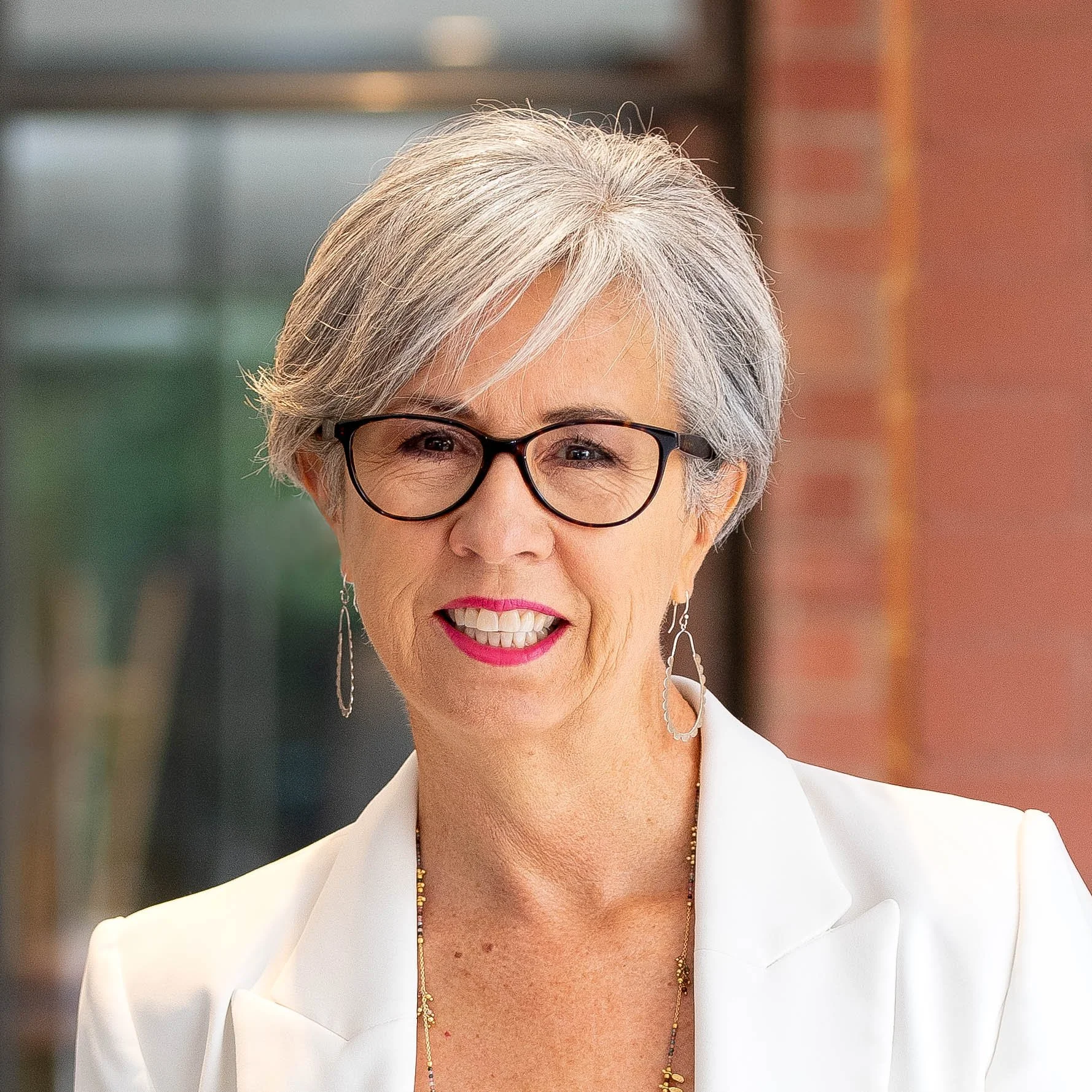
Liz Tilley is a leadership and executive coach whose work is grounded in curiosity, deep listening and helping people reconnect with their own wisdom.
She describes herself as “the coach for women who want to change the world — in large ways and small ones.”
Based in Canberra, Liz has been coaching for more than 12 years and works with mid- to senior-level leaders across Australia and internationally, helping women unlock their power and potential and navigate the complexity of leadership, work and life.
Her career has taken a wonderfully varied path.
She trained in communications and journalism, spent around a decade working in television, and went on to build more than 25 years of experience across communications roles in government, the not-for-profit sector and the corporate world. A role with the Defence Abuse Response Taskforce became an unexpected turning point, introducing her to restorative practice and to some of Australia’s leading coaches, mediators and facilitators.
In 2014, Liz began formal coaching training — the start of a new chapter that would eventually become her life’s work.
Her approach draws together leadership, psychology-informed coaching practices, mindfulness, creativity, nature and the body. She is fascinated by human development, neuroscience and transformation, and by the ways we can reconnect with the deep wisdom we each carry within us.
Alongside her coaching, Liz facilitates women’s circles and retreats. She believes there is something deeply healing in the ancient practice of women gathering in circle — to listen, to be witnessed, and to reconnect with ourselves and one another.
At the heart of all of her work is a belief that we carry far more wisdom than we realise — and that meaningful change begins when we create enough stillness to hear it.
And beneath the coach is a partner, a mother of three, and a creative soul who loves colour, books, pre-loved fashion, deep conversation and the joy of continually discovering what else might be possible.
Discover more about Liz and her work at Liz Tilley Coaching.
From our conversation
When the body says enough
For much of her life, Liz pushed through.
She was capable, energetic and so accustomed to getting things done that she did not always recognise she was pushing at all.
Living with chronic illness began to change that relationship.
Liz now describes having an ongoing conversation with her body — pausing to ask: Do I have capacity for this? Will this drain me, nourish me, or simply ask too much?
She shares moments when she has been dressed, in the car and on her way somewhere, only to stop, listen and turn around.
In a culture that rewards endurance, choosing to listen can feel radical. Sometimes the bravest thing is not to keep going, but to honour what your body is asking of you.
A quieter kind of courage
For much of our lives, courage can look like action.
Taking the leap. Speaking up. Climbing higher. Pushing through fear.
But our conversation keeps returning somewhere quieter.
Liz shares what becomes possible when we approach uncertainty from a place of stillness, trust and connection rather than force.
And something clicks for me.
Perhaps courage can be quiet.
Whether we are making a personal decision, navigating leadership or finding our way through a difficult season, there can be enormous power in slowing down enough to hear ourselves.
Not every answer is found by doing more.
Sometimes the next step only becomes visible when we stop.
The wisdom was there all along
When people come to coaching, they may believe they are looking for an answer, a strategy or someone to tell them what to do.
Liz sees something deeper.
Often, what they are really searching for is reconnection with themselves and their own deep wisdom. We explore the idea of the inner mentor — that calm, grounded part of ourselves that is not driven by fear or the need to prove something.
She may not know every step ahead.
But she knows how to meet the next one.
Perhaps the real gift is not finding someone else’s answers, but becoming quiet enough to recognise that the wisdom you were searching for was within you all along.
Something from Liz
Throughout our conversation, Liz generously shares some of the people, ideas and words that have influenced the way she thinks, coaches and moves through the world.
Playing Big — Tara Mohr
Liz’s work with the inner critic and inner mentor was deeply influenced by Tara Mohr, author of Playing Big.
Tara’s work invites women to recognise the voice of the inner critic while learning to access the quieter wisdom of the inner mentor — the part of ourselves that can see beyond fear, self-doubt and the expectations of others.
It is a framework Liz has woven into her own coaching and one that has had a profound influence on me personally.
Alok Vaid-Menon
Liz also introduces me to the work of Alok Vaid-Menon (ALOK) — an American writer, performance artist and public speaker whose work explores gender, identity and belonging.
Liz reflects on Alok’s perspective that listening to non-binary and gender-nonconforming people can help us question the structures and assumptions we have inherited about what it means to be masculine or feminine.
It is another invitation within our conversation to become curious about what we have accepted as fixed — and what might become possible when we are willing to see differently.
How Brave You Are for Slowing Down, by Layla El-Ajlouni
“So come, be softly brave. Be a new, quieter kind of hero.”
Near the end of our conversation, Liz shares a poem that seems to gather together so many of the threads we have been exploring.
It is an invitation to reconsider the people we call courageous.
Not only those who achieve, produce, push and endure — but those willing to honour their limits, listen to their bodies and resist the relentless demand for more.
A reminder that slowing down can itself be an act of courage.
And perhaps even an act of rebellion.
After the conversation
Some conversations give us new ideas. Others give language to something we have been slowly beginning to understand.
This one did both.
For a long time, I associated courage with movement — stepping forward, persisting, trying again.
My conversation with Liz reminded me there is another kind.
The courage to become still. To listen when your body says enough. To question the voice that measures your worth by how much you achieve or give. And to trust the quieter voice beneath the noise.
Stern Babette may not disappear.
But I am learning she does not always need to be the one holding the key.
Continue the conversation
What does courage look like for you now?
Has there been a time when slowing down, saying no or listening to yourself required more courage than simply pushing through?

The Life We Don't Plan
EPISODE 1
A conversation with Carley Johnston
A deeply personal conversation about cancer, intuition, identity, resilience and the long road beyond treatment.
About this conversation
Carley and I first came to know each other through our work in the Australian Public Service. I knew her as an intelligent, warm and thoughtful leader, but I knew very little about the story behind the woman I saw at work.
At just 29, Carley was diagnosed with cervical cancer after nine months of searching for answers — an experience that would profoundly reshape her relationship with her body, her intuition and herself.
This conversation is about cancer, but it is also about so much more.
We talk about the devastating loss of fertility, learning to advocate for yourself, and what happens when the intuition you have always trusted suddenly feels as though it has betrayed you.
Carley speaks openly about having to slowly reconnect with her body and mind, rebuild trust in herself and eventually learn to dream again.
We also explore something that isn't spoken about enough: what happens after treatment ends.
For Carley, surviving cancer wasn't the end of the story. Recovery brought its own difficult work — rebuilding identity, learning to love herself where she was, and finding a different way of moving through her personal and professional life.
Her experience deepened her empathy as a leader and her awareness that so many people we encounter are carrying stories we know nothing about.
Ultimately, this is a conversation about becoming. About backing yourself, finding hope again and creating a meaningful life even when it looks nothing like the one you once imagined.
Carley's philosophy now is beautifully simple: one percent better every day — because sometimes the smallest step is enough to begin finding your way back to yourself.
Meet Carley
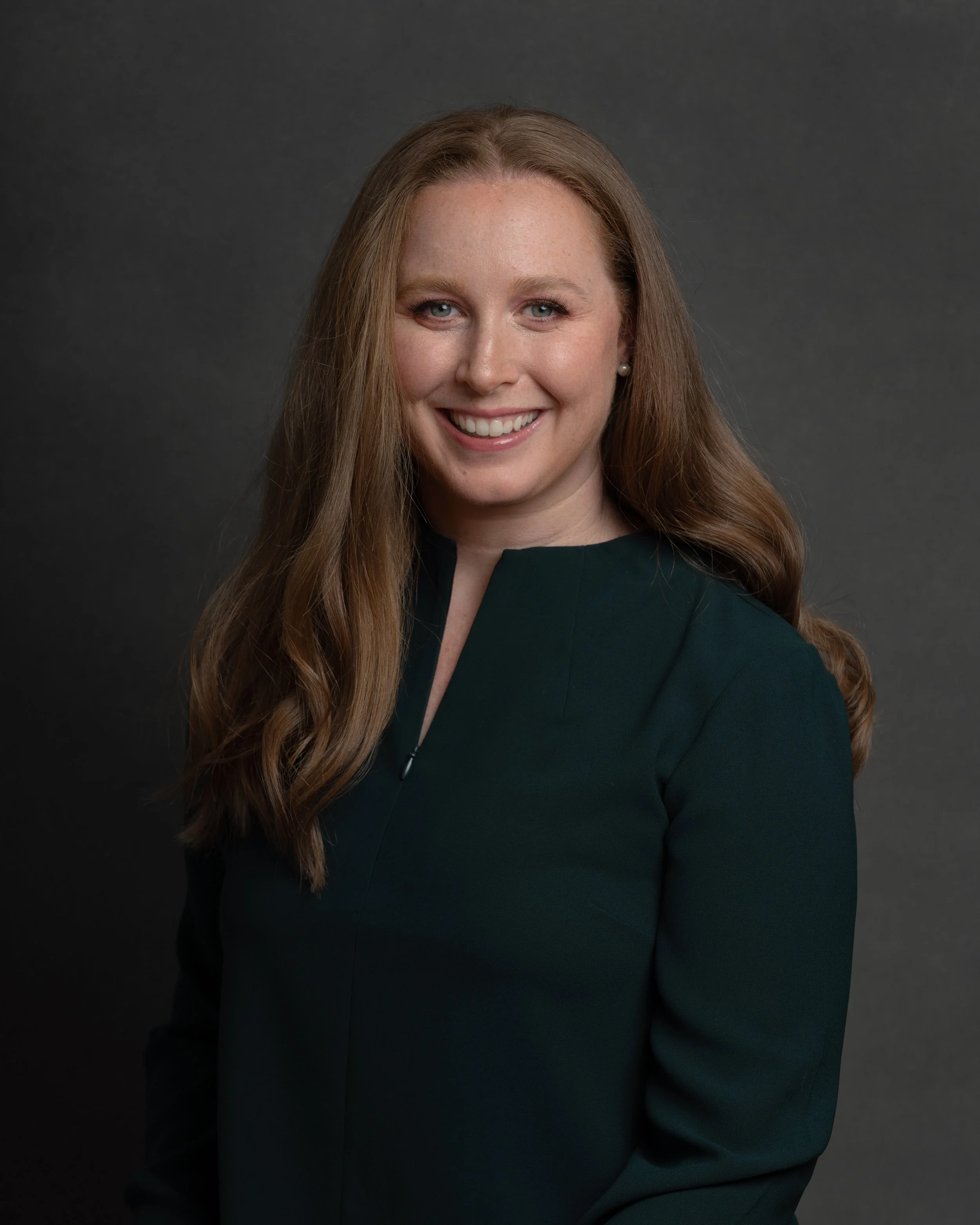
Carley Johnston is the founder of Lustre Me, a platform created to support and empower people living with, recovering from, or caring for someone with cancer.
As a cancer survivor herself, Carley shares real-life, practical insights drawn from her own experience — the kind of honesty that helps women feel seen, heard and empowered through a journey that can often feel isolating.
Her mission is simple: to help women not just survive cancer, but truly thrive in the life that comes after it.
Through Lustre Me, Carley gets real about the not-so-pretty parts of recovery, blending candour with her unmistakable sense of humour to bring light to conversations that matter.
Visit LustreMe.
From our conversation
Finding your way back to yourself
Cancer profoundly changed Carley’s relationship with her intuition. An important part of recovery became slowly reconnecting with her body and mind, rebuilding faith in herself and learning to trust that inner voice again — eventually allowing herself to hope, and dream big, once more.
One percent better
One of Carley’s guiding philosophies is beautifully simple: one percent better every day. On the good days, the bad days and everything in between, even the smallest action can become the beginning of growth — sometimes it really is just making the bed.
Redefining success
Success looks different to Carley now. It is still about meaningful work and making a contribution, but also about eight hours of sleep, spending time with good people, doing things she enjoys and putting her wellbeing front and centre.
After the conversation
What stayed with me after speaking with Carley was the idea that thriving doesn’t necessarily mean returning to who we were before life changed us.
Sometimes it means meeting ourselves again — with greater compassion, wisdom and intention.
Carley’s story reminded me that rebuilding rarely happens in one great leap. It happens gradually: learning to trust ourselves again, choosing what matters, and taking the next small step.
Perhaps that is why the philosophy of one percent better every day stayed with me.
Some days, one percent might be a meaningful step forward. On others, perhaps it is simply saying:
“I’ll try again tomorrow.”
And perhaps that is enough too.
Continue the conversation
Carley and I talked about the experiences that change not only our lives, but how we see ourselves afterwards.
What stayed with you from this conversation? Has something in your own life changed the way you see yourself or the way you show up in the world?